Learn one reliable cast-and-land cycle, sell ordinary catches often, buy only the upgrade that fixes your current bottleneck, and finish the Lighthouse objectives before sailing on. Keep quest items separate from sale fish and save before major travel.
The first five minutes
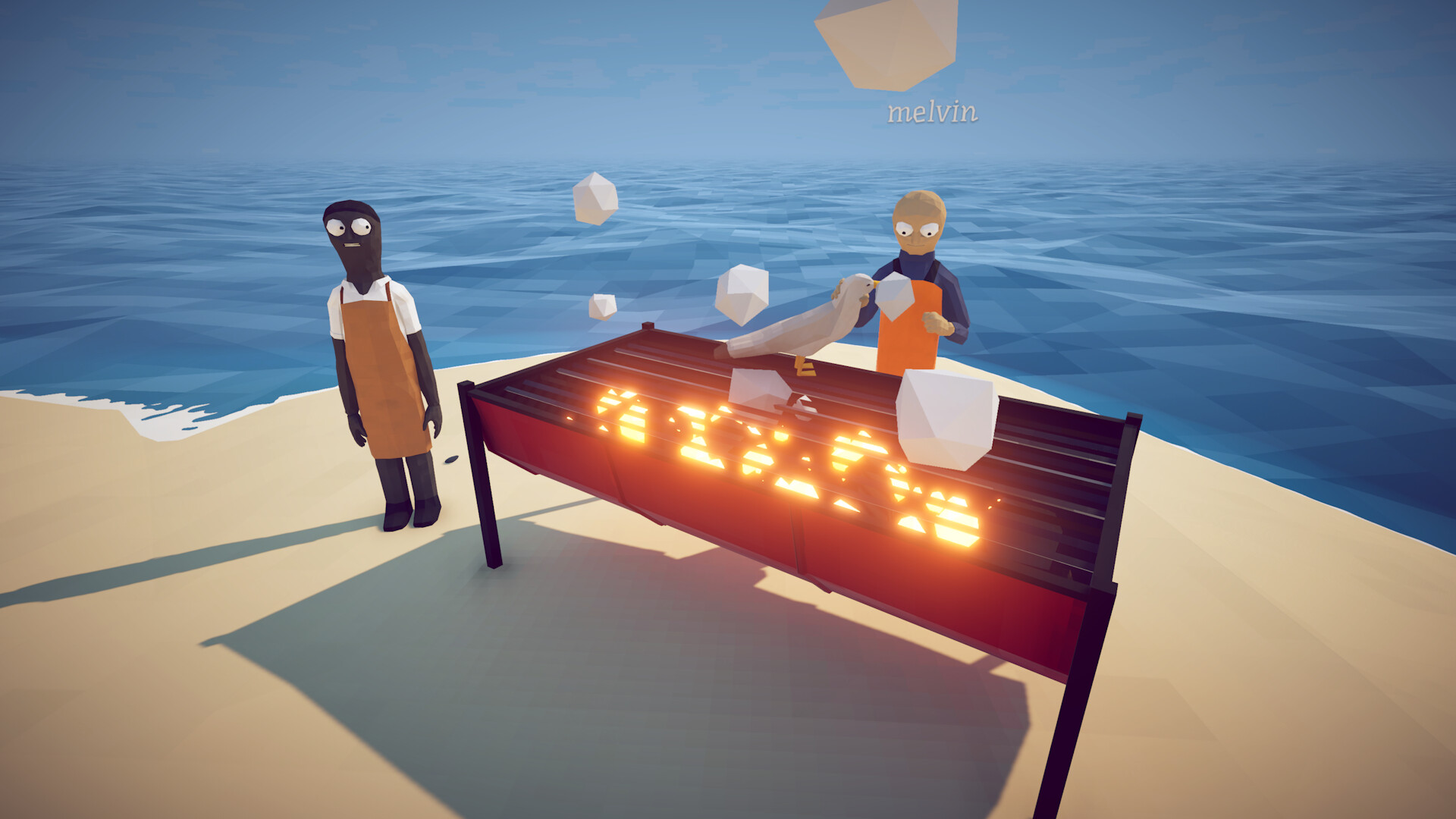
How to Fish is a physics-driven co-op adventure, not a menu-heavy fishing simulator. Your early goal is simply to make the loop repeatable: get a lure into the water, react to the bite, drag the catch onto land, finish it safely, and turn it into money.
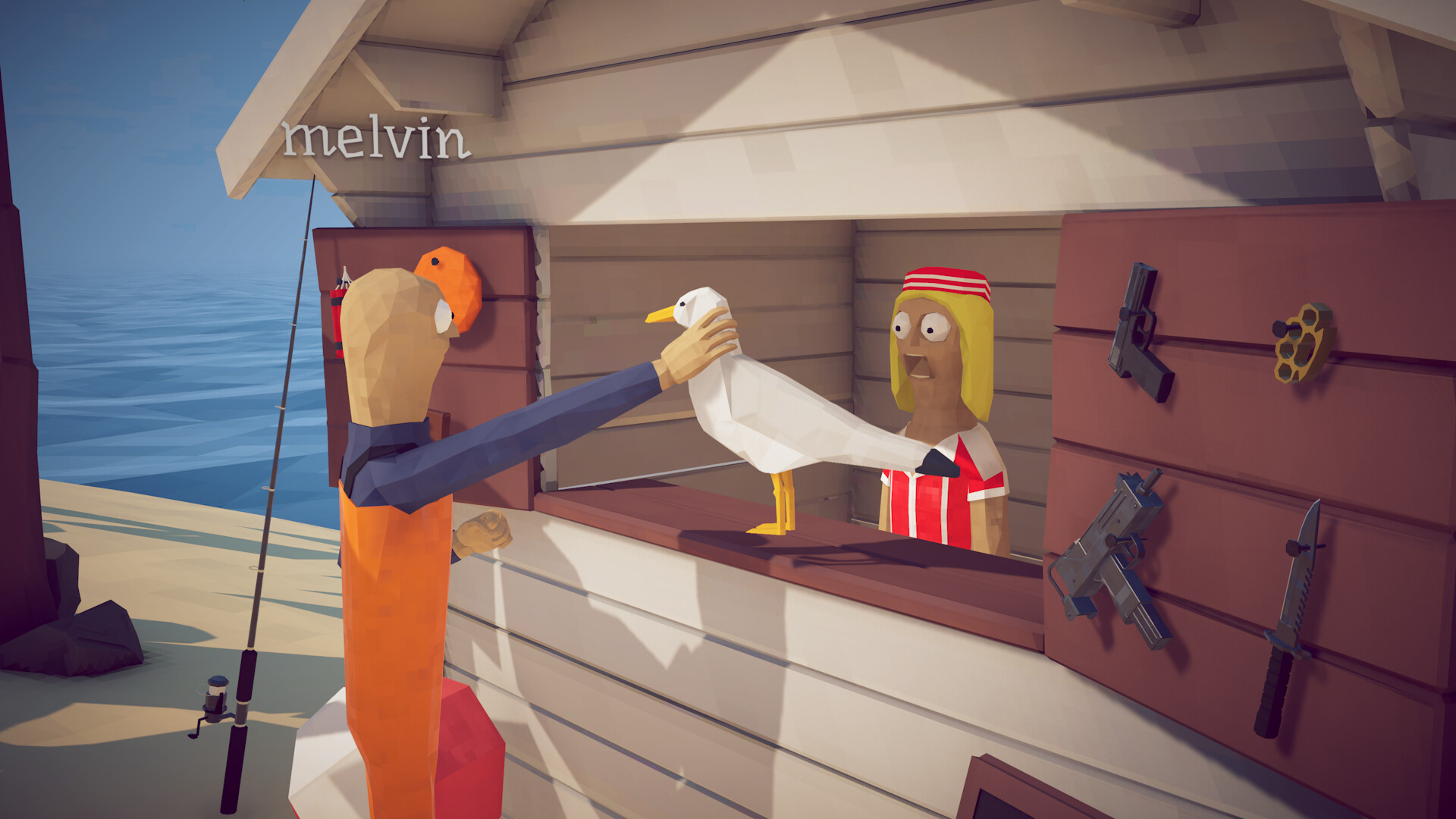
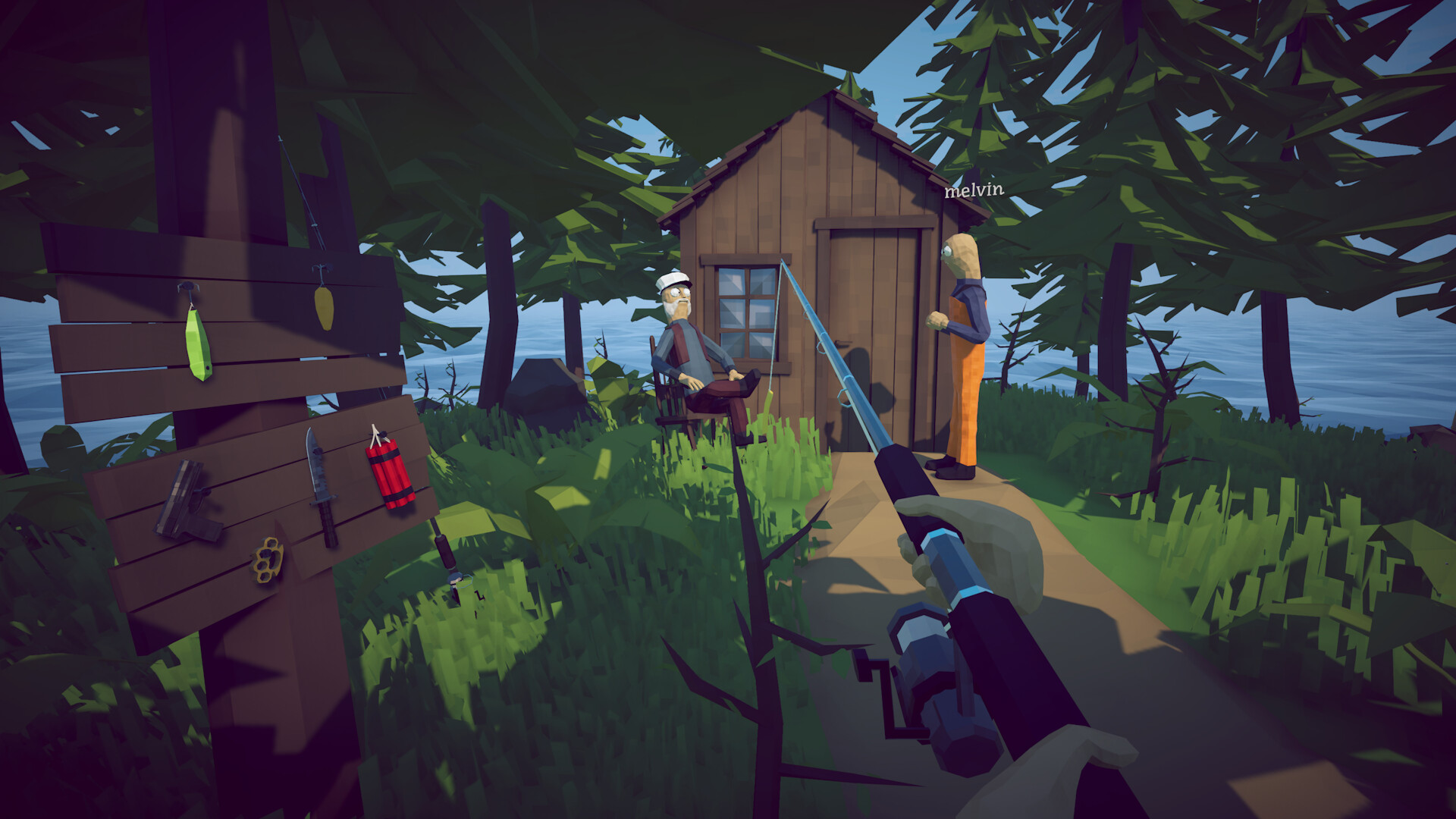
Walk the Lighthouse area before buying anything. Speak to nearby characters, inspect the shop and note which objects are clearly marked as quest items. The opening island teaches systems that return on every later island.
- Equip the starter rod and face open water with a clear landing path behind you.
- Hold the cast input to build power, then release toward a visible fish or open patch.
- When the line reacts, keep pressure on the catch and pull it fully onto land.
- Secure the catch before it slides or fights its way back into the water.
- Sell ordinary catches, but keep named or unusual items until their quest use is clear.
Field note: Fast is not the same as efficient. A clean landing beats a long cast that tangles around rocks, players or props.
Spend for the problem you actually have
The shop can tempt you into spreading money across every category. Early progress is smoother when each purchase solves one problem. If fish keep escaping, improve your fishing setup. If landed creatures take too long to finish, add a dependable weapon. If travel is the bottleneck, save for the relevant boat or engine step.
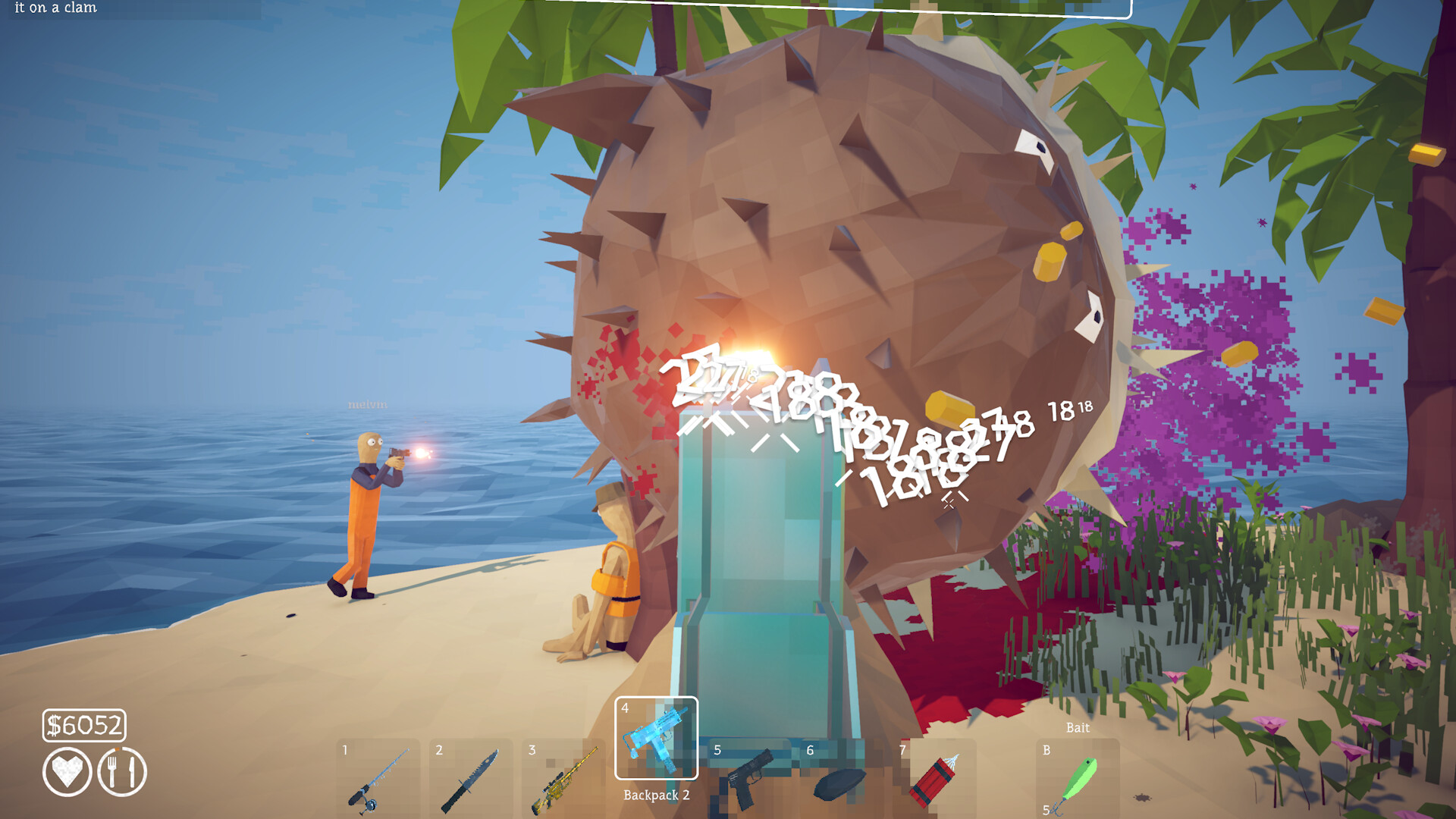
Do not measure a weapon only by damage. Reload rhythm, ammunition use, recoil and how safely you can keep moving all matter during boss encounters.
- Rod or lure first when the catch itself is unreliable.
- A simple firearm first when you can land fish but cannot finish them safely.
- Inventory discipline before cosmetic or gambling purchases.
- One player can specialize in control while another carries damage in co-op.
Build a small money loop
Run short loops between a reliable fishing spot and the buyer. Long speculative trips create more chances to lose a valuable catch. Bank a few ordinary fish, buy one useful upgrade and repeat.
Trick shots can multiply a sale, but treat them as a bonus until your basic economy is stable. Gambling can erase a good run; never stake a quest fish or the money reserved for progression.
Field note: Reserve the cost of your next progression item before spending on trick shots, skins or the Reel of Fortune.
Prepare for the Spider Crab
Spider Crab is the first real check that you understand movement and combat. Clear loose props from the arena, enter with a reliable weapon, keep a path around terrain and revive friends only when the boss is committed elsewhere.
Do not stand in a tight group. Split attention, keep the target visible and use the island geometry to create safe reload windows. See the dedicated boss page for the low-spoiler plan.
- Top up ammunition before triggering the encounter.
- Keep the shore and shop route clear instead of fighting in a corner.
- Attack during recovery windows; sprint during committed lunges.
- Save after the objective is handed in and before the next island trip.
Co-op rules that prevent chaos
Agree on one host and one shared objective. Randomly selling quest items, taking the boat alone or spending the group economy are the three easiest ways to turn a funny session into a reset.
Give one player the navigation job, call out valuable catches, and put important items in a repeatable place. The game is deliberately physical; communication is part of the mechanic.